
Jazz Blues Rhythmic Variation And Patterns
 After a while, playing the same jazz and blues licks can get tiring. If you feel like you know your rhythms inside and out, the next step is to vary them.
Rhythmic variation is exactly what it sounds like; varying the pattern of notes within a given rhythm. Today, we will experiment with some Jazz blues rhythmic variations to create new, interesting rhythms out of preexisting, glam faded patterns.
Before we get onto the actual lesson it is important that you take a minute to assess your skill level. If you have trouble keeping a steady rhythm then I suggest that you practice guitar using a metronome to build up your abilities.
Why?
Because if you have trouble with basic rhythms, you’ll have even more trouble with variations of those basic rhythms. Because rhythmic variation can be approached in a variety of ways, it is important that you have the foundation of a steady rhythm to begin with. If you don’t, you will quickly find yourself exceeding the time signature, or adding mismatched note values.
The jazz blues rhythmic variation we will try will be a building pattern. In this pattern, we will start off with a single note and build onwards, creating an expanded variation on our original pattern.
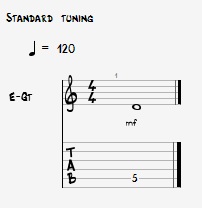
Simple, right? My best advice is to start off on a slow tempo, around 60bmp and let the note ring from click to click because now we are going to build this pattern into something much larger and more substantial.
Now that we have the single note, we are going to double the number of notes we have. This time it will be two half notes.
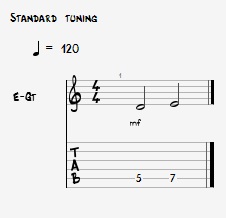
Now that we have two notes, be sure to keep your note lengths even. We are using the same rhythm in the same exact context, but we are varying the value of the notes.
Next, we will vary our rhythm from two notes to three. Once again, be sure to keep your notes values even and play within the clicks. If you are having trouble maintaining either then slow down the metronome.
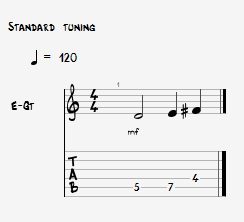
The rhythm still remains the same (we are still playing a 4/4 rhythm), only our notes and their values change.
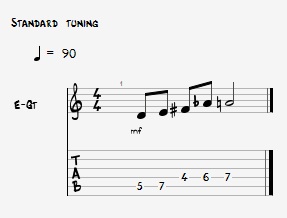
For this next variation, we add yet another note, this time turning all of the notes into quarter notes. This is the second from last variation we will do off of this 4/4 rhythm basing. Be sure to repeat the phrase a few times to let your fingers get a feel for the pattern.
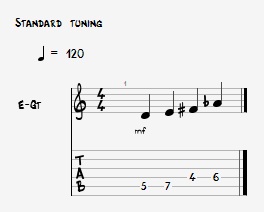
Notice the melody isn’t yet resolved. This is done with purpose; when you vary your rhythms to build upon one another, you can create a feeling of anticipation leaving the listener wanting more.
Finally our last variation of our simple 4/4 rhythm ends with a resolution.
Get Access to Thousands of High Quality Video Guitar Lessons!

Jamplay is the ULTIMATE web-based guitar lesson website that offers step-by-step videos in hi-def resolution. They cover ALL genres of guitar styles and have comprehensive content for guitar players of any skill level.
Jamplay also features a continuously growing collection of instructional videos that’s updated regularly. Additionally, they also offer indepth tutorials for members to learn popular songs using accurate, interactive tablatures and song demonstrations.
p.s: We have arranged a wonderful deal for our readers. Get an exclusive Jamplay coupon code here…
Related Articles



We Recommend…

Leave A Comment